HDR imaging for Machine Vision: techniques and workflow with IDS peak
High dynamic range (HDR) imaging is essential for machine vision applications operating in challenging lighting conditions. This video explains how HDR techniques capture greater scene detail, improve inspection reliability and help overcome extreme brightness variations in industrial environments.
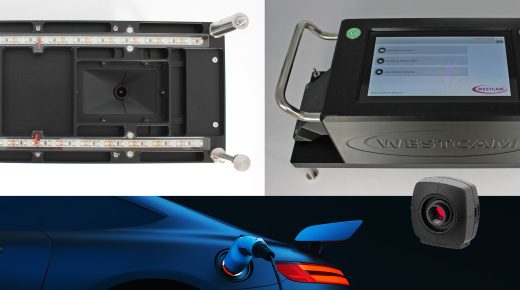
Discover the complete HDR workflow, from image acquisition and radiometric reconstruction to tone mapping and visualisation. Using practical examples from intelligent traffic systems, logistics and electronics manufacturing, the session explores key HDR methods, their trade-offs, and how IDS hardware and software support efficient evaluation and deployment.
Topics covered
- Why HDR matters for machine vision applications
- Understand the complete HDR workflow, from image acquisition in the sensor to HDR generation, tone mapping and application-ready image output.
- How IDS peak simplifies HDR usage and integration.
- Which HDR image formats and outputs IDS provides, from HDR base images to full HDR and tone-mapped results.
Video timeline
- 00:00 Introduction and agenda
- 00:41 High Dynamic Range applications
- 02:08 High Dynamic Range workflow - Step 1: Acquire the data
- 03:25 HDR acquisition techniques
- 07:23 Step 2: Reconstruct the data
- 10:21 Step 3: Processing & displaying
- 12:38 High Dynamic Range imaging with IDS
- 13:05 ClearHDR with Sony STARVIS 2 sensors
- 14:35 QuadHDR with Sony IMX900 sensor
- 15:56 Camera Sequence HDR with any Sony sensors and uEye+ cameras
- 19:14 IDS peak HDR
- 20:16 Summary
Who should watch
Machine vision engineers, systems integrators, automation specialists, imaging developers and manufacturers working with inspection, logistics, intelligent transport systems, microscopy or electronics production.
Watch now to discover the most effective HDR strategy for your machine vision application.